The Impact of Smoking on Oral Health: What You Need to Know
While most people are aware of the harmful effects of smoking on lung health and overall well-being, its impact on oral health is equally concerning. Smoking and tobacco use can significantly affect your mouth, gums, and teeth. Here’s a look at how tobacco products contribute to oral health problems.
Common Oral Health Issues Associated with Smoking
Tooth Discoloration
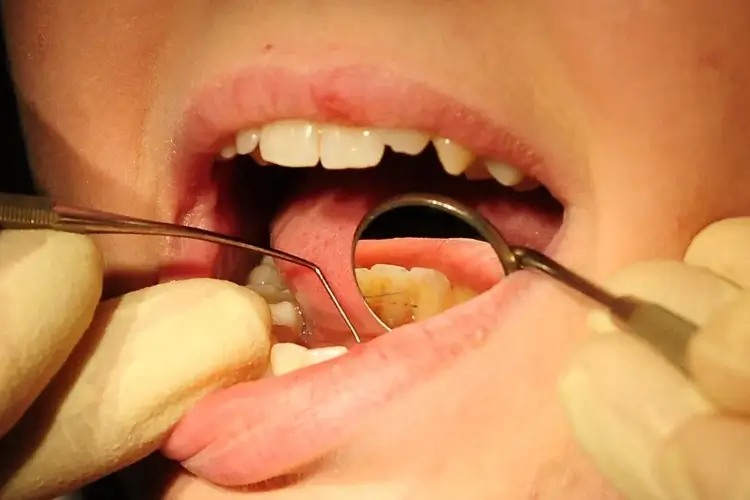
One of the most noticeable effects of smoking is the discoloration of teeth. Nicotine and tar in tobacco products can quickly stain teeth, turning them from white to yellow or even brown. Nicotine, though colorless, reacts with oxygen to create a yellowish hue. Smokeless tobacco creates a dark brown liquid that rests on the teeth, causing severe enamel staining.
Bad Breath
Smoking leaves particles in the throat, lungs, and mouth, leading to persistent bad breath, often referred to as “stale smoker’s breath.” Additionally, smoking reduces saliva flow, contributing to dry mouth (xerostomia), which fosters bacterial growth and exacerbates bad breath.
Gum Disease
Tobacco use accelerates plaque buildup along the gum line, impacting the attachment between gums and teeth. Research indicates that smoking disrupts gum tissue cells and weakens the immune system, making it harder to combat oral infections. Smokers are four times more likely to develop advanced gum disease compared to nonsmokers, with increased risk correlating to the amount and duration of smoking.
Decreased Success Rate of Dental Implants
Advanced gum disease can lead to bone loss, affecting the success of dental implants. Healthy bone is essential for implant support, and smokers often experience slower healing rates due to compromised immune function.
Increased Risk of Oral Cancer
Tobacco use is a leading cause of oral cancer, with 80% to 90% of diagnosed cases linked to smoking or smokeless tobacco. Smokeless tobacco contains about 28 chemicals directly associated with a higher risk of oral, throat, and esophageal cancers.
Quitting Smoking
The best way to prevent these dental issues is to quit smoking. Research shows that after 11 years of quitting, individuals can achieve similar oral health outcomes as non-smokers. Even reducing tobacco intake can significantly benefit oral health. For more information on maintaining gum health and managing dental risks, contact your Antalya dentist today.