Does the thought of visiting the dentist send shivers down your spine? Do you imagine the face of pure evil lurking behind your dentist’s white mask? Would you rather spend a weekend at the DMV with your in-laws and a group of hyperactive five-year-olds than schedule a 30-minute dental cleaning? If so, you likely suffer from dental anxiety.
Like many phobias, dental anxiety can range from mild unease to severe panic that makes you wish for George Washington-style wooden teeth just to avoid the dentist. Regardless of how intense your anxiety may be, postponing or avoiding dental visits altogether can lead to serious health issues.
The Risks of Dental Anxiety
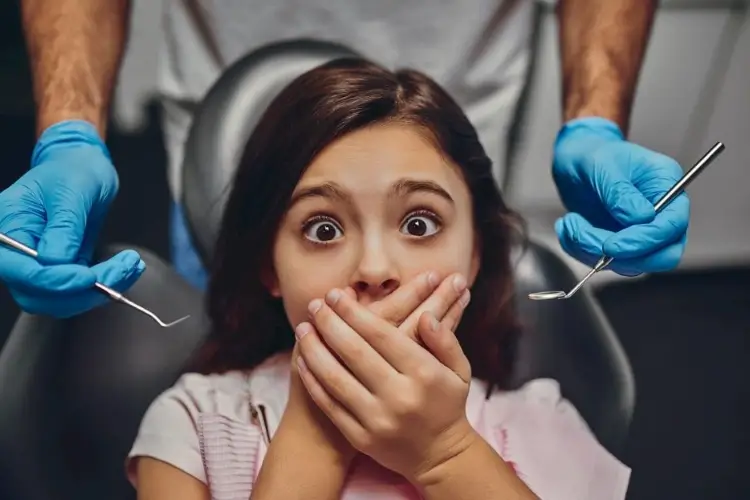
It’s estimated that 9 to 15 percent of people avoid going to the dentist due to severe dental anxiety. Considering how essential your teeth are for chewing, smiling, and speaking, it’s crucial to maintain their health.
Tooth decay can threaten your smile, even if you brush and floss regularly. The timing of your brushing is just as important as how often you brush. Eating sugary foods exposes your teeth’s enamel to decay-causing bacteria, known as plaque, for up to 20 minutes after each snack or meal. If you wait too long to brush after eating that candy bar or drinking that soda, you give plaque ample time to create serious dental problems.
Regular dental checkups allow your dentist to catch tooth decay early, before the damage becomes severe. The earlier a problem is identified, the less invasive the treatment needed. Ironically, the longer someone avoids the dentist due to anxiety, the more likely they’ll need a more extensive and uncomfortable procedure, which only reinforces their fear and delays future visits even further.
Learning to Manage (or Even Conquer) Dental Anxiety
Dental anxiety, like any other mental health issue, can be managed and even overcome with the right approach. If your anxiety is severe enough to make you consider avoiding solid food just to skip the dentist, professional help may be necessary. However, if your anxiety is milder, leading to stress and worry before visits, there are steps you can take to ease your fears.
Contrary to what you might think, your dentist isn’t out to cause you pain. They understand that many patients are anxious and will work with you to alleviate your concerns. The four main causes of dental anxiety—fear of pain, feeling of helplessness, embarrassment, and previous negative experiences—can all be addressed through open communication with your dentist.
If you feel a loss of control while in the dentist’s chair, ask for a detailed explanation of the procedure beforehand. Understanding what to expect can help you prepare mentally and reduce feelings of discomfort. You can also request breaks during the procedure if needed to manage your anxiety.
Embarrassment about the condition of your teeth or fear of judgment can also contribute to dental anxiety. Building a rapport with your dentist and discussing these concerns can help ease your worries. Remember, no matter how bad you think your smile looks, your dentist has likely seen worse.
For those with low pain tolerance, consider finding a dentist who offers sedation dentistry. Sedation can significantly reduce or even eliminate pain associated with dental procedures. However, due to the strength of the medications used, it’s important to discuss any medical conditions or allergies with your dentist beforehand.
Finally, if a past dental experience has left you traumatized, share this with your dentist. Not all dentists are the same, and holding all of them accountable for one bad experience could prevent you from achieving the good oral health you deserve.