Understanding and Preventing Bruxism: Tips from Antalya Dentists
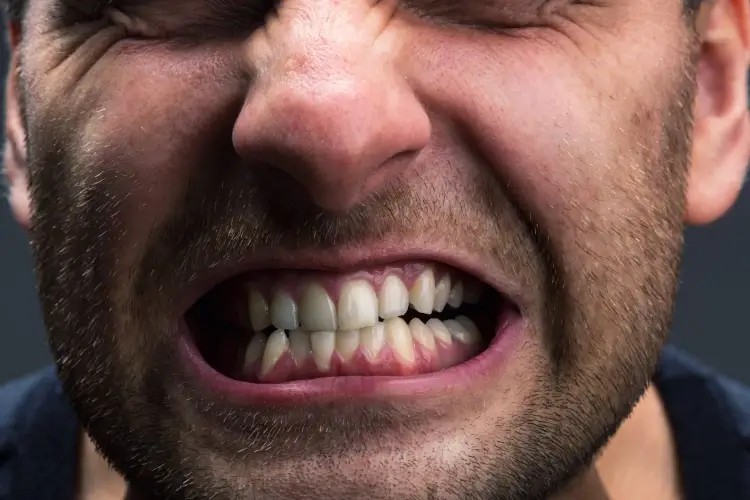
Bruxism is the medical term for the involuntary or habitual grinding of teeth and clenching of the jaw. It’s a common condition that affects nearly 25% of the population, and if left untreated, it can lead to serious dental complications. Your Antalya dentist is highly skilled at identifying the signs of bruxism, but how can you tell if you’re experiencing it? Here’s what you need to know about the symptoms, causes, and prevention of bruxism.
How to Identify Bruxism
Bruxism can occur both while you’re awake and asleep, but most of the damage tends to happen during sleep, making it harder to detect. Since it’s often a subconscious action, you might not realize you’re grinding your teeth. Here are some common signs of bruxism:
- Sensitive teeth and gums
- Frequent headaches
- Grinding or clicking sounds in the jaw (often heard by a sleeping partner)
- Changes in teeth appearance, such as flattening, chipping, loosening, fracturing, or worn enamel
- Jaw pain
- Insomnia
- Indentations on the tongue
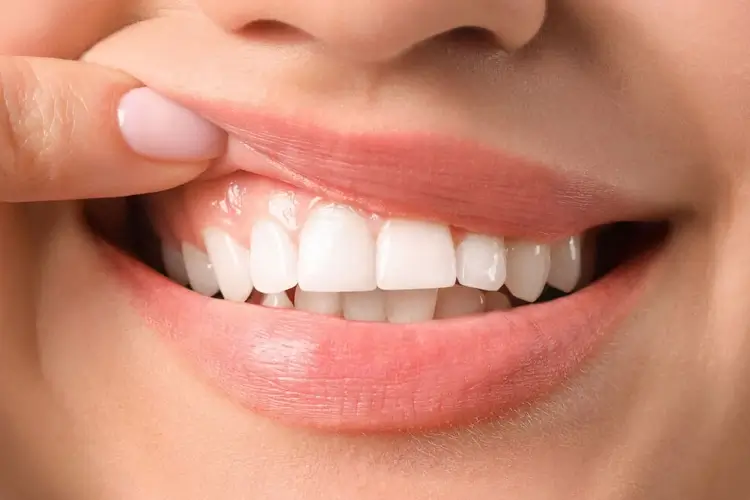
A simple test to check for bruxism is to run your tongue along the bottom of your top teeth. If there’s a noticeable slant from one side to the other, bruxism may have progressed. If you recognize any of these symptoms, it’s important to visit your Antalya dentist for an accurate diagnosis. Children can also suffer from bruxism, so be sure to mention any concerns during their dental exams.
Causes of Bruxism
There isn’t a single cause of bruxism; rather, it can stem from a variety of physical and psychological factors. Some possible physical causes include:
- Teething in children
- Illnesses like Parkinson’s and Huntington’s diseases
- Side effects of certain medications
- Stomach acid reflux
- Misalignment of teeth or jaw
Psychological factors such as anxiety, stress, and suppressed anger are also known triggers for bruxism. Additionally, sleeping disorders and personality traits like aggression or hyperactivity can increase the likelihood of developing this condition. Other risk factors include:
- Age: Bruxism is more common in children.
- Stimulants: Tobacco, alcohol, caffeine, and illegal drugs like methamphetamines can exacerbate the condition.
How to Stop Grinding Your Teeth
Preventing bruxism involves addressing the underlying causes. The first step is to schedule an appointment with your dentist. In the meantime, consider these strategies:
- Reduce stress: If stress is a significant factor, explore ways to manage it. Stress counseling, exercise, and behavior therapy can all be beneficial.
- Avoid stimulants: Especially in the evening, avoid substances like tobacco, alcohol, and caffeine that can exacerbate bruxism.
- Monitor sleep: Ask your partner if they hear grinding or clicking sounds or notice snoring while you sleep, as these could indicate a sleep disorder contributing to bruxism.
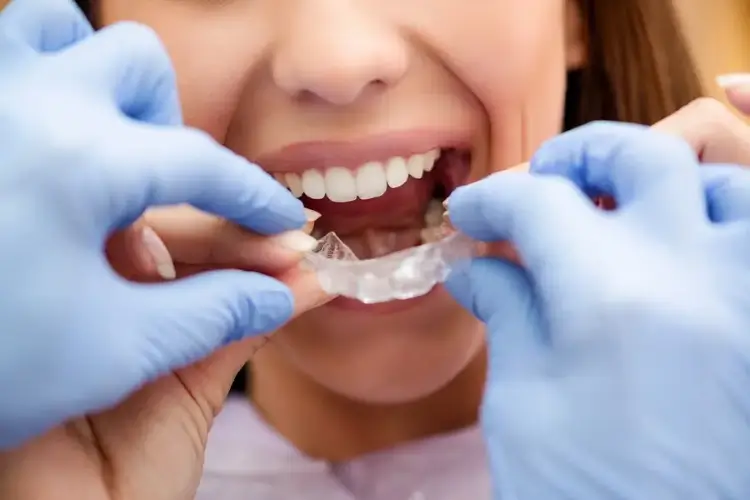
During your dental exam, your dentist will check for any abnormalities and tenderness in your jaw. If misalignment is the cause, they may recommend treatments such as braces or oral surgery. If the cause lies elsewhere, a splint or mouthguard might be recommended to protect your teeth from further wear. Following your dentist’s advice is crucial to prevent long-term complications.
The good news is that bruxism can be managed effectively. While it may take some trial and error to find the best solution, working closely with your dentist will help you discover a comfortable and effective method. Contact the Antalya Dentists & Clinics to explore the best treatment options for you.