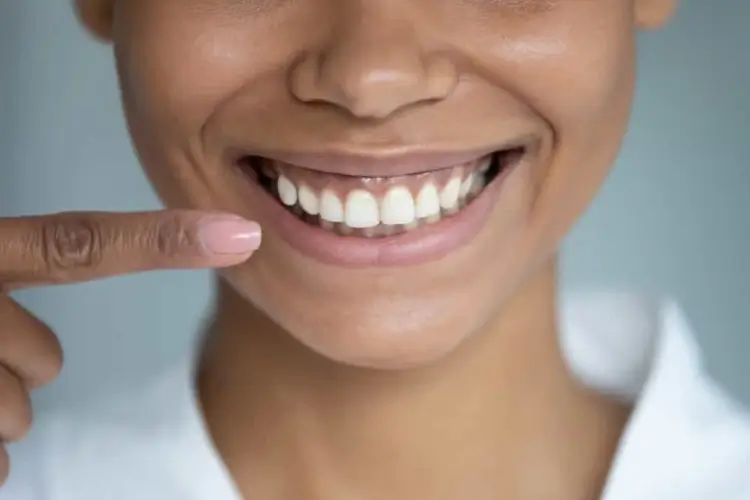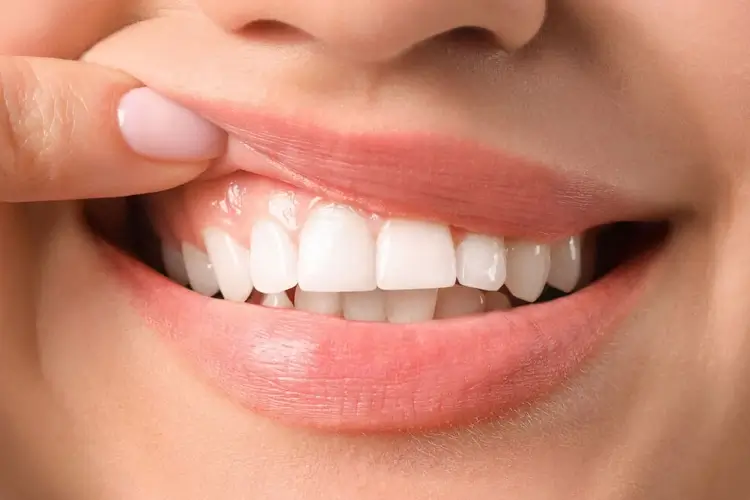
We all strive to maintain a healthy smile, but sometimes our daily routines include small habits that can quietly harm our teeth and gums. The good news? Becoming aware of these habits is the first step to preventing long-term oral health problems. Antalya Dentists have put together a helpful guide on five common dental mistakes that many people make—often without even realizing it—and how you can avoid them for a brighter, healthier smile.
5 Common Bad Dental Habits to Avoid
Avoiding these five common dental habits can help you maintain excellent oral health and steer clear of unnecessary trips to the dentist.
1. Forgetting to Floss
If flossing isn’t part of your daily dental routine, you’re not alone—but it’s a habit that can make a major difference. Brushing your teeth removes plaque from the surface, but toothbrush bristles simply can’t reach the tight spaces between your teeth. That’s where flossing comes in.
Flossing helps remove trapped food particles and bacteria that brushing alone can miss. Left unchecked, these particles can lead to tooth decay, gum disease, and even bad breath. To make flossing a regular habit, keep your dental floss in a visible place—right next to your toothbrush is ideal. Consider using floss picks or water flossers if traditional string floss feels tricky or inconvenient. Once you get into the rhythm, your mouth will feel cleaner, and you’ll wonder how you ever skipped it.
2. Brushing Too Hard
It’s easy to think that brushing more vigorously means cleaner teeth, but this common misconception can actually do more harm than good. Brushing with excessive pressure can wear down your enamel—the protective outer layer of your teeth—and cause your gums to recede. Over time, this can lead to increased sensitivity, irritation, and even tooth damage.
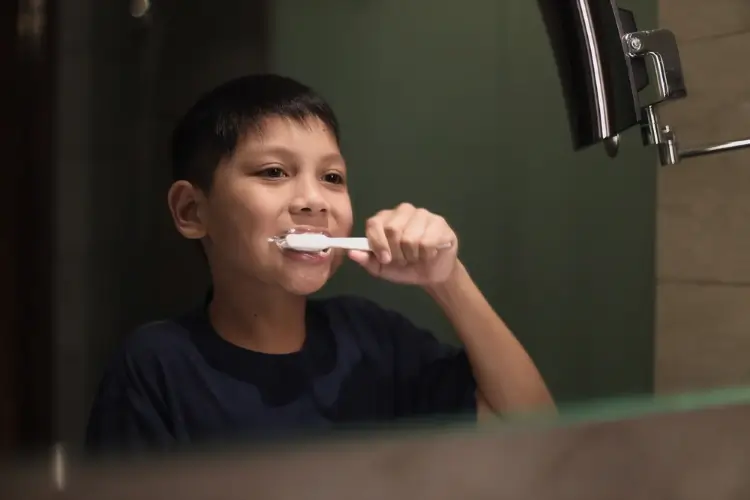
The key to effective brushing is using gentle, circular motions with a soft touch. Let your toothbrush do the work—no need to scrub like you’re cleaning a tough stain. Using a soft-bristle toothbrush will also help ensure you’re cleaning effectively without damaging your teeth or gums.
3. Using a Hard-Bristle Toothbrush
Choosing the right toothbrush is just as important as how you use it. While hard-bristle toothbrushes might seem like a better option for scrubbing away plaque, they can actually erode tooth enamel and cause gum irritation. Over time, this damage can contribute to gum recession and increased tooth sensitivity.
Soft-bristle toothbrushes, on the other hand, are designed to clean thoroughly while being gentle on your teeth and gums. They’re recommended by most dental professionals, especially for people with sensitive teeth or gums. Whether you use a manual or electric toothbrush, always opt for soft bristles and replace your brush every three months—or sooner if the bristles are frayed.
4. Using Your Teeth as Tools
Biting off clothing tags, cracking open nuts, or opening bottles with your teeth might seem convenient in the moment, but these actions can cause serious damage. Teeth are meant for chewing food—not for opening packages or doing DIY repairs. Using your teeth as tools can result in chips, cracks, and other dental injuries that may require costly and painful repairs.
To protect your teeth, always keep the proper tools nearby. A pair of scissors, a bottle opener, or nail clippers will do a much better job—without putting your smile at risk. Being mindful of how you use your teeth can prevent accidents and preserve your oral health.
5. Grinding Your Teeth
Teeth grinding, also known as bruxism, is a habit that often goes unnoticed—especially since it frequently happens during sleep. Whether it’s caused by stress, misaligned teeth, or sleep disorders, grinding can wear down your teeth, cause jaw pain, trigger headaches, and even affect your bite over time.
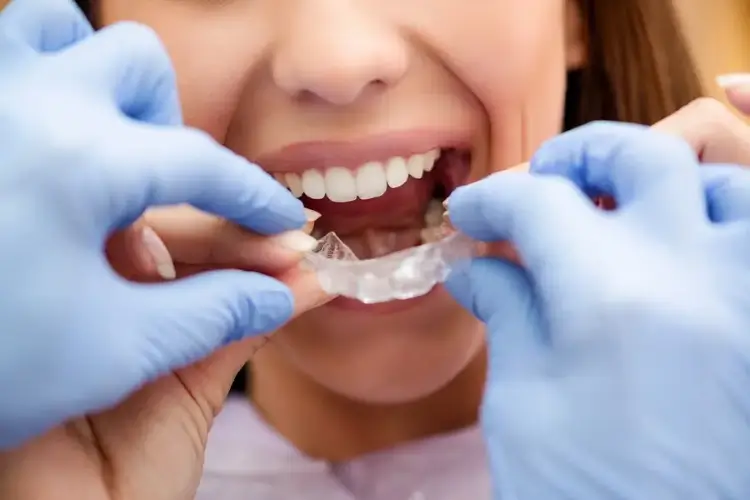
If you wake up with sore jaw muscles, headaches, or notice your teeth becoming flatter or more sensitive, you might be grinding your teeth at night. It’s important to bring these symptoms up with your dentist. A custom night guard can help cushion your teeth and prevent damage while you sleep. Stress management techniques and lifestyle adjustments may also help reduce unconscious grinding.
Don’t Skip Your Dental Checkups
Even with excellent daily care, regular dental visits are essential for catching problems early and maintaining a healthy smile. Your dentist can spot signs of damage from bad habits, provide professional cleanings, and give you personalized advice to improve your oral hygiene routine.
If it’s been a while since your last visit, consider scheduling an appointment with a trusted Antalya dentist. Taking proactive steps today can help you avoid bigger dental issues in the future—and keep your smile looking and feeling its best.
Ready to Prioritize Your Oral Health?
Breaking these five bad dental habits may seem simple, but the impact on your overall oral health is huge. Make the switch to better habits today and give your teeth the care they deserve. If you’re unsure where to start or want professional guidance, reach out to an Antalya dental clinic and book your next checkup. Your future smile will thank you!